
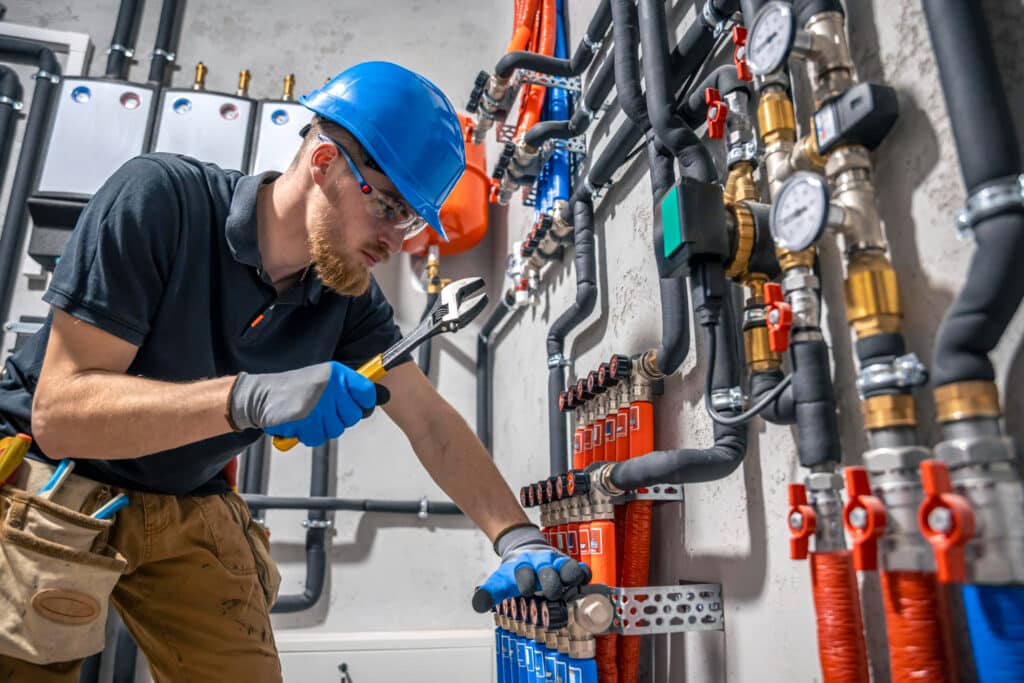
Plumbing is an essential service for any property, but the plumbing needs of a residential home are vastly different from those of a commercial space. Whether you’re a homeowner or a business owner, understanding the differences between residential vs commercial plumbing can help you ensure that your plumbing system is adequately designed, maintained, and serviced. At Cool Air Experts in Boynton Beach, we provide expert plumbing services and can help you navigate the complexities of both residential vs commercial plumbing needs. In this blog, we will explore the unique plumbing systems and their requirements, highlighting key distinctions and offering insights into plumbing for businesses.
Scale and Complexity of Residential vs Commercial Plumbing Systems
The first major difference between residential and commercial plumbing lies in the scale and complexity of the systems. Residential plumbing is designed to meet the daily needs of a few people in a home environment. A typical home will have plumbing systems that supply water to a few bathrooms, a kitchen, and laundry rooms. The system is relatively simple, with smaller pipes, fewer fixtures, and less demand for water.
In contrast, commercial plumbing systems are built to accommodate the higher demands of businesses. These systems are more complex and involve larger pipes, multiple water lines, and more frequent water usage. For example, plumbing for businesses in the hospitality or restaurant industry requires special considerations, such as industrial-grade equipment and high-capacity water systems. Commercial properties like office buildings, restaurants, and hotels often have extensive plumbing networks designed to handle increased usage, multiple fixtures, and the high volume of water needed for their operations.
Durability of Plumbing Fixtures in Residential and Commercial Settings
The plumbing fixtures used in residential homes differ from those found in commercial spaces. Residential fixtures are typically designed for personal use and moderate wear. Fixtures such as sinks, toilets, and bathtubs in homes are built to handle daily use by a small number of people, and they usually require less frequent repairs and maintenance.
However, commercial plumbing services focus on more durable and specialized fixtures. In a commercial kitchen, for example, plumbing systems must support high-capacity sinks, dishwashers, and grease traps, all of which must withstand continuous, heavy use. The plumbing fixtures in commercial bathrooms, such as toilets and urinals, need to be built to handle high traffic and remain functional throughout the day. These fixtures are made of stronger materials and are built for durability to ensure they can withstand constant pressure from high traffic.
Water Usage in Residential Plumbing Versus Commercial Plumbing
In residential plumbing, water usage tends to be predictable and moderate. A household’s water consumption is usually spread throughout the day and may peak during certain hours, like in the morning or evening. The typical residential home uses water for cooking, bathing, cleaning, and gardening. While there are times when water demand is higher, it generally remains at a manageable level.
On the other hand, commercial plumbing systems are designed to handle significantly higher and more fluctuating water demands. For example, a restaurant may experience a spike in water usage during peak meal times, while a hotel may see an increase in water demand during busy periods. Commercial plumbing systems need to be able to accommodate these sudden increases in demand without compromising the quality of service. Plumbing for businesses often includes larger water heaters, more robust pipes, and systems designed to distribute water efficiently to various areas of the property.
Drainage Systems: Residential vs Commercial Needs
Drainage and wastewater systems are another area where residential vs commercial plumbing needs differ. In residential properties, the plumbing system is designed to handle the wastewater from common household fixtures such as sinks, showers, and toilets. Typically, residential systems direct wastewater to a sewer line or septic system, with relatively simple piping that can manage the lower volume of waste produced by a home.
However, commercial drainage systems are far more complex. Plumbing for businesses like restaurants requires specialized systems such as grease traps to prevent clogs in the pipes from food waste and grease. A commercial kitchen, for instance, produces large amounts of wastewater, which must be carefully filtered and directed away from the main sewer line. Additionally, larger commercial buildings may have multiple drainage lines for different sections of the property, each serving different functions—such as wastewater from kitchens, bathrooms, or HVAC systems. Proper drainage is essential in commercial spaces to maintain sanitation and avoid disruptions.
Plumbing Codes and Regulations for Residential and Commercial Spaces
All plumbing systems must comply with local building codes, but commercial plumbing services are subject to more stringent standards due to the higher volume of users and the public nature of the space. Residential plumbing codes generally focus on ensuring that homes are safe, water-efficient, and sanitary.
In contrast, commercial plumbing systems must meet specific requirements related to safety, accessibility, and health. For example, businesses are required to install backflow prevention devices to protect the water supply from contamination. Additionally, businesses must ensure that their plumbing is accessible to all, including meeting the requirements of the Americans with Disabilities Act (ADA). Public bathrooms in commercial spaces, for instance, must have accessible fixtures, including wider stalls and sinks that meet ADA guidelines.
Maintenance and Repairs: Residential vs Commercial Plumbing
Both residential and commercial plumbing systems require regular maintenance to ensure they operate efficiently, but the frequency and scope of maintenance can differ. In residential plumbing, homeowners typically handle minor issues such as clogged drains or small leaks. Homeowners may call a plumber for more significant issues like water heater malfunctions or clogged sewer lines.
However, commercial plumbing services are more extensive and often require regular maintenance and inspections. Businesses may need to schedule plumbing maintenance every few months to ensure that their systems remain in good working order. This includes checking water heaters, inspecting pipes, and cleaning drainage lines to prevent blockages. Regular maintenance helps prevent expensive and disruptive plumbing problems in a commercial setting, where downtime can lead to lost revenue and unsatisfied customers.
Specialized Plumbing for Businesses and Commercial Needs
When it comes to plumbing for businesses, certain industries have unique requirements. For example, restaurants, hotels, and healthcare facilities often need specialized plumbing systems to support their operations. A restaurant kitchen requires industrial-grade plumbing, including sinks, grease traps, and dishwashers designed to handle the high volume of water and waste generated by daily operations. Similarly, a healthcare facility needs plumbing systems that can accommodate sterilization processes and support specialized equipment.
In addition to the basic water supply and drainage needs, businesses may require plumbing services that address specific issues like grease buildup, wastewater treatment, or energy-efficient water heating. Commercial plumbing services can ensure that these specialized needs are met, helping businesses maintain operational efficiency and comply with health and safety regulations.
Cost Differences Between Residential and Commercial Plumbing Services
The cost of plumbing services varies depending on whether the job is residential or commercial. Residential plumbing services are typically less expensive because the systems are smaller and less complex. Tasks like repairing a leaky faucet or replacing a broken pipe in a home are straightforward and usually require less labor and materials.
In contrast, commercial plumbing services tend to be more costly due to the scale and complexity of the systems. Commercial plumbing often involves larger pipes, industrial-grade fixtures, and more extensive maintenance or repair work. Additionally, businesses may require more frequent inspections and maintenance to keep their plumbing systems functioning efficiently, leading to higher costs over time. However, the investment in professional commercial plumbing services is necessary to avoid disruptions to business operations and maintain a safe environment for employees and customers.
Lifespan of Plumbing Systems in Residential and Commercial Properties
Both residential plumbing systems and commercial plumbing systems are designed to last for many years, but their lifespans can vary based on usage, materials, and maintenance. A typical residential plumbing system can last 20 to 50 years, depending on the materials used and how well it is maintained. Regular inspections and repairs can extend the life of a residential plumbing system.
Commercial plumbing systems, on the other hand, are built to handle more wear and tear. Because they are designed for higher traffic and more intensive use, the materials used in commercial plumbing are often more durable, which can contribute to a longer lifespan. However, since commercial systems experience more frequent usage, they require ongoing maintenance to prevent breakdowns and costly repairs. Without proper care, commercial plumbing systems can suffer from issues such as clogged pipes, leaks, or poor water pressure, all of which can disrupt business operations.
Key Points to Remember About Residential and Commercial Plumbing Differences
- Scale and complexity: Residential plumbing serves a few people with simple needs, while commercial plumbing supports larger spaces and more complex systems.
- Durability: Commercial plumbing fixtures are designed for heavy use, unlike residential ones that are built for moderate traffic.
- Water demand: Residential plumbing is relatively predictable, but commercial plumbing must handle fluctuating, high-volume demands.
- Drainage needs: Commercial spaces often require specialized systems like grease traps and multiple drainage lines for different areas.
- Regulatory compliance: Commercial properties face stricter plumbing codes, including ADA requirements and backflow prevention.
- Maintenance needs: Commercial systems require more frequent inspections and maintenance due to heavy use.
Frequently Asked Questions (FAQ)
What are the main differences between residential and commercial plumbing?
Residential plumbing is smaller and simpler, designed for daily home use. Commercial plumbing is more complex, supporting larger spaces and higher water demands in businesses.
Can a plumber handle both residential and commercial plumbing jobs?
Some plumbers are skilled in both areas, but it’s often best to hire one with expertise in commercial plumbing services for larger, more complex systems.
How often should commercial plumbing systems be maintained?
Commercial plumbing systems should undergo regular maintenance, typically every few months, to prevent issues and ensure the system functions efficiently.
Are there different plumbing codes for businesses?
Yes, commercial plumbing must comply with more stringent regulations than residential plumbing, including requirements for safety, accessibility, and sanitation.
How can I tell if my plumbing system needs repair?
Signs of plumbing issues include slow drainage, low water pressure, leaks, or unusual sounds. If these issues arise, it’s important to call a plumber immediately to prevent further damage