
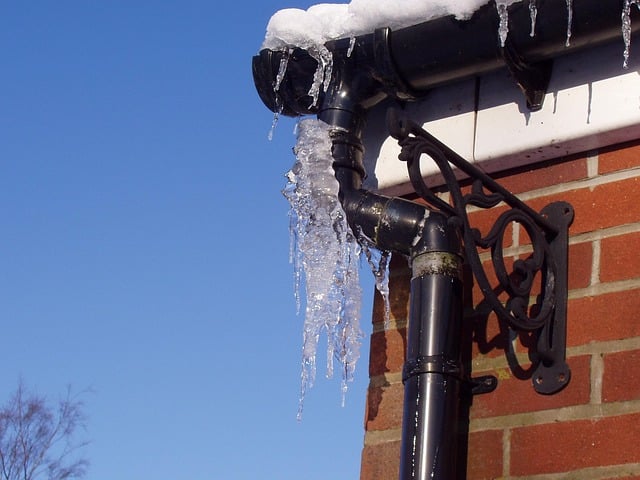
Winter temperatures can place serious stress on home plumbing systems, especially when sudden cold snaps occur. When water inside pipes freezes, it expands, placing pressure on the pipe walls. This pressure may cause cracks, splits, or full pipe bursts that lead to flooding, structural damage, and costly repairs. Frozen pipes are one of the most common cold weather plumbing problems faced by homeowners each winter. This guide explains how to Prevent frozen pipes during winter using clear steps, everyday tools, and smart winter plumbing tips that are easy to follow. Homeowners working with Cool Air Experts often ask about frozen pipe prevention before temperatures drop. With proper planning, pipe insulation, and consistent care, frozen pipes can usually be avoided even during extended cold periods.
Why Frozen Pipes Happen During Cold Weather
Frozen pipes occur when temperatures drop below freezing and plumbing lines are exposed to cold air without protection. Pipes located in attics, basements, crawl spaces, garages, exterior walls, and outdoor areas face the highest risk. When cold air surrounds these pipes, the water temperature inside drops steadily. Once it reaches freezing, ice begins to form. As ice expands, pressure builds inside the pipe, often leading to cracking at weak points or joints. Understanding why frozen pipes happen helps homeowners focus on prevention rather than reacting to emergencies after damage has already occurred.
Signs That Pipes May Be Freezing
Early warning signs can help prevent serious damage if caught in time. Reduced water pressure, slow trickles from faucets, or unusual smells coming from drains may indicate a pipe is beginning to freeze. Visible frost on exposed pipes is another clear sign. Faucets that only drip or fail to deliver water normally can suggest ice buildup inside the line. Paying attention to these signs allows homeowners to act quickly before a pipe bursts. Frozen pipe prevention always starts with awareness and timely action during cold weather.
Step By Step Guide To Prevent Frozen Pipes
Following a structured approach helps reduce risk throughout winter. Each step focuses on limiting cold exposure, maintaining warmth around plumbing, and keeping water flowing when needed. Using these steps together offers stronger protection than relying on only one method.
Step One Seal Gaps And Air Leaks Around Pipes
Cold air often enters homes through small openings around windows, doors, vents, and where pipes pass through walls or floors. These gaps allow freezing air to surround plumbing lines. Use caulk or spray foam to seal openings and cracks. This simple step limits cold airflow and helps maintain warmer temperatures around pipes. Sealing gaps is one of the easiest winter plumbing tips and supports long-term cold weather plumbing safety without requiring major changes.
Step Two Use Pipe Insulation On Exposed Lines
Pipe insulation is one of the most reliable ways to prevent frozen pipes. Foam pipe sleeves, fiberglass wraps, and rubber insulation materials are easy to install and widely available. Focus on pipes in unheated areas such as garages, crawl spaces, basements, and attics. Proper pipe insulation slows heat loss and helps water maintain a safe temperature even during extended cold spells.
Step Three Keep Indoor Temperatures Consistent
Keeping indoor temperatures steady is important during winter nights and cold days. Avoid turning the thermostat too low, even when leaving the house for short periods. Sudden drops in indoor temperature can expose pipes inside walls to freezing air. A consistent indoor climate supports Frozen pipe prevention by reducing temperature swings. Opening cabinet doors under sinks also allows warm air to circulate around plumbing, especially in kitchens and bathrooms located along exterior walls.
Step Four Allow Faucets To Drip During Freezing Nights
Allowing a slow drip from faucets connected to vulnerable pipes can help prevent freezing. Moving water is less likely to freeze compared to standing water. This technique helps relieve pressure inside the pipe and reduces ice formation. Dripping faucets are especially helpful during extremely cold nights or when temperatures remain below freezing for long periods. This simple habit is often recommended as part of cold weather plumbing care.
Step Five Drain Outdoor Water Lines And Hoses
Outdoor hoses, irrigation systems, and exterior faucets should be disconnected and drained before winter begins. Shut off the water supply to outdoor lines if available and open faucets to release trapped water. Water left inside outdoor pipes can freeze quickly and cause cracks that go unnoticed until spring. Draining outdoor plumbing reduces pressure buildup and supports frozen pipe prevention outside the home.
Step Six Insulate Attics Basements And Crawl Spaces
Unheated areas often expose pipes to cold air for long periods. Adding insulation to attics, basements, and crawl spaces helps stabilize temperatures around plumbing. Even basic insulation can reduce cold transfer and slow heat loss. Cold weather plumbing protection extends beyond the pipes themselves and includes insulating the surrounding areas to keep conditions stable during winter.
Step Seven Prepare Pipes Before Extended Travel
If leaving home during winter, extra precautions are necessary. Set the thermostat to a safe temperature that keeps pipes warm. Shut off the main water supply if possible and drain the plumbing system to reduce risk with our Plumbing Services in Lake Worth. Asking a neighbor or friend to check the house during severe weather adds another layer of safety. Planning ahead helps reduce the chance of frozen pipes while away.
Quick Comparison Of Frozen Pipe Prevention Methods
| Method | Purpose | Difficulty Level |
| Pipe insulation | Reduces heat loss from exposed pipes | Low |
| Sealing air gaps | Limits cold air entering pipe areas | Low |
| Dripping faucets | Keeps water moving to reduce freezing | Very low |
| Draining outdoor lines | Prevents pressure buildup in pipes | Low |
| Indoor temperature control | Maintains warmth around plumbing | Low |
Common Mistakes That Increase Frozen Pipe Risk
Some homeowners underestimate winter conditions or delay preparation until temperatures drop suddenly. Ignoring small leaks, skipping pipe insulation, or turning off heat completely can increase the risk of frozen pipes. Another common mistake is forgetting outdoor plumbing and irrigation systems. Frozen pipe prevention requires consistent attention before winter starts and continued care throughout the cold season.
How Cool Air Experts Supports Winter Plumbing Care
Cool Air Experts helps homeowners prepare for cold weather plumbing challenges before problems begin. Guidance on pipe insulation, system checks, and winter readiness helps reduce the risk of frozen pipes. Homeowners who plan early often avoid emergency situations during sudden cold snaps and extended winter conditions.
What To Do If A Pipe Freezes
If a pipe freezes, act as soon as possible. Keep the affected faucet open and apply gentle heat using a hair dryer, heating pad, or warm towels. Start heating from the faucet end and work toward the frozen section. Avoid open flames or high heat devices, as they can damage pipes. If cracking, leaking, or flooding occurs, shut off the main water supply immediately to limit damage.
Frequently Asked Questions About Preventing Frozen Pipes
How can I prevent frozen pipes during extreme cold
To prevent frozen pipes during extreme cold, seal air leaks, install pipe insulation on exposed lines, keep indoor temperatures consistent, and allow faucets to drip during freezing nights. Using several prevention steps together offers better protection than relying on only one method.
Which pipes are most likely to freeze in winter
Pipes located in unheated areas such as attics, basements, crawl spaces, garages, and exterior walls freeze more often. Outdoor faucets and irrigation lines are also at higher risk during cold weather.
Does dripping faucets really help prevent frozen pipes
Yes, dripping faucets help prevent frozen pipes by keeping water moving inside the line. Flowing water is less likely to freeze, and the pressure relief reduces the chance of pipe damage during freezing temperatures.
Is pipe insulation enough to stop freezing
Pipe insulation helps slow heat loss but works best when combined with sealed air gaps, indoor temperature control, and insulated surrounding spaces. Using insulation alone may not fully prevent freezing during long cold periods.
What should I do if I think a pipe is frozen
If you suspect a frozen pipe, keep the faucet open and apply gentle heat using warm towels or a hair dryer. Avoid open flames. If you see leaks or cracks, shut off the main water supply immediately to reduce damage.