
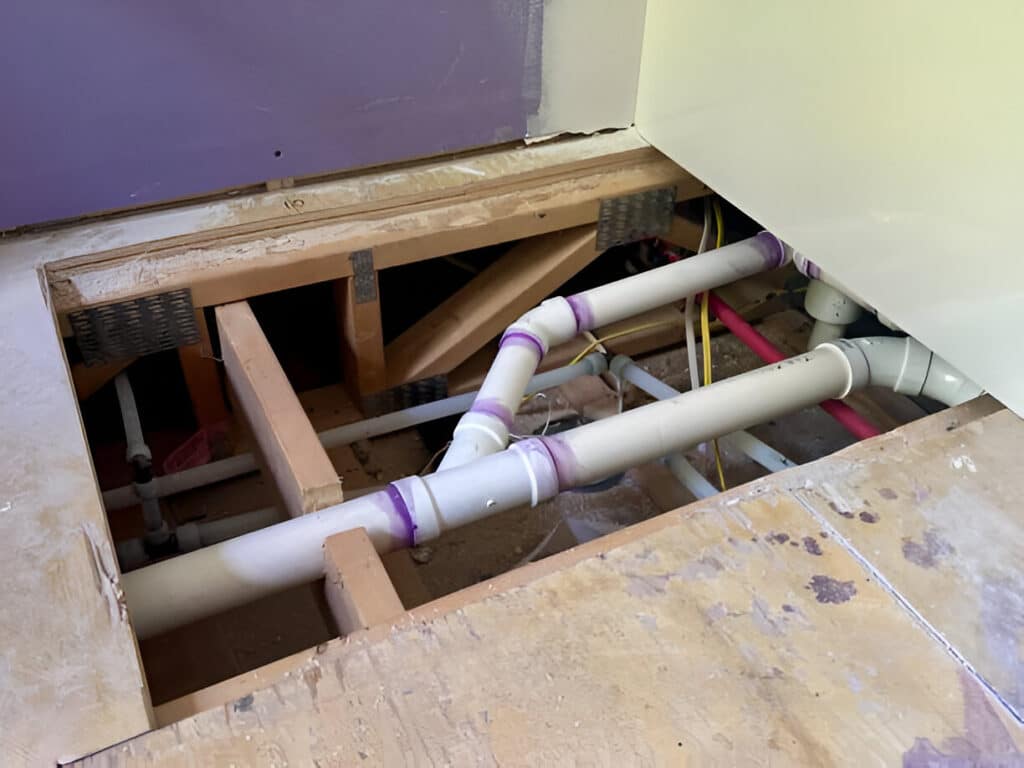
Low water pressure can be frustrating, especially when it impacts daily activities such as showering, washing dishes, or doing laundry. Many homeowners in Palm Beach experience this issue at some point, and understanding the causes and solutions can save time, water, and unnecessary stress. In this guide, we’ll cover Low water pressure troubleshooting and provide practical steps to identify and address common water flow issues.
Understanding Low Water Pressure
Low water pressure occurs when the flow of water from your faucets or showers is weaker than usual. This can result from plumbing problems, clogged pipes, or issues with your home’s water supply. It’s important to recognize that water pressure issues may be gradual or sudden, depending on the underlying cause.
Some signs of low water pressure include:
- Slow-filling sinks or bathtubs
- Weak shower sprays
- Toilets that take longer to refill
- Irregular water flow in multiple faucets
Before attempting any fixes, identifying whether the problem is isolated to one fixture or widespread in the home will help narrow down the cause.
Common Causes of Low Water Pressure
1. Clogged Pipes and Faucets
Over time, mineral deposits from hard water can accumulate in pipes, showerheads, and faucets. This buildup restricts water flow and contributes to low water pressure. In Palm Beach, where water hardness varies, clogged pipes are a common reason homeowners call for plumbing services.
How to troubleshoot: Remove and clean faucet aerators and showerheads. If the issue persists, consider having a licensed plumber inspect the pipes for scaling or corrosion.
2. Leaks in Plumbing System
Leaks can significantly reduce water pressure by diverting water away from intended fixtures. Even small leaks in hidden areas like under sinks or behind walls can create water flow issues and increase your water bills.
How to troubleshoot: Look for visible leaks, damp spots, or unusual sounds in your plumbing. If no visible signs exist, a professional inspection may be necessary.
3. Faulty Pressure Regulator
Some homes have a pressure regulator to control the water pressure entering the house. A malfunctioning regulator can lower the water flow throughout the home.
How to troubleshoot: Check if your water pressure is low at all faucets. If so, the pressure regulator may need adjustment or replacement by a plumber.
4. Main Water Supply Issues
Occasionally, low water pressure is caused by the municipal water supply rather than your home’s plumbing. Water main breaks, maintenance, or peak usage periods can temporarily affect pressure.
How to troubleshoot: Contact your local water utility to confirm if there are ongoing issues or maintenance that may impact water flow.
5. Corroded or Old Pipes
Homes with galvanized steel or old iron pipes may experience rust and corrosion, restricting water flow over time. This can result in persistent water pressure issues and may require pipe replacement.
How to troubleshoot: If you notice discolored water along with low pressure, corroded pipes may be the cause. A plumber can assess whether pipe replacement is necessary.
Step-by-Step Low Water Pressure Troubleshooting
Step 1: Measure Water Pressure
Use a water pressure gauge to check the pressure at an outdoor faucet or the main water supply line. Normal residential water pressure ranges between 40–60 psi. Pressure below this range may indicate a system-wide issue.
Step 2: Inspect Fixtures and Faucets
Remove faucet aerators, showerheads, and screens to check for debris or mineral buildup. Clean or replace them as needed.
Step 3: Check for Leaks
Examine all visible plumbing for leaks, including under sinks, around toilets, and near appliances like washing machines. Even small leaks can contribute to water flow issues.
Step 4: Evaluate Pressure Regulator
Locate your home’s pressure regulator and ensure it is functioning correctly. If adjustments do not restore normal pressure, the regulator may need replacement.
Step 5: Contact Local Plumbing Services
If the above steps do not resolve the issue, it may be time to call Cool Air Experts, a trusted provider of plumbing services in Palm Beach. Experienced plumbers can identify hidden leaks, corrosion, or complex issues affecting water pressure.
Preventing Future Water Flow Issues
While troubleshooting low water pressure is important, taking preventive measures can reduce the risk of recurring problems:
- Regularly clean faucet aerators and showerheads.
- Inspect pipes periodically for leaks or signs of corrosion.
- Monitor water pressure using a gauge.
- Schedule routine plumbing inspections with a trusted service provider in Palm Beach.
By staying proactive, homeowners can maintain consistent water flow and avoid unexpected disruptions in daily routines.
When to Call a Plumber
Certain low water pressure problems require professional attention. Consider contacting plumbing services if:
- Water pressure is consistently below 40 psi.
- Multiple fixtures are affected despite cleaning and checking for leaks.
- You notice rusty or discolored water alongside reduced flow.
- Pressure regulator issues persist.
Calling Cool Air Experts ensures that any hidden or complex plumbing problems are identified and addressed correctly. Their team has experience with water pressure issues, plumbing problems, and water flow issues in Palm Beach homes.
The Role of Water Pressure in Home Comfort
Maintaining proper water pressure is not just about convenience. Low pressure can affect appliance performance, increase energy use, and create frustration during routine tasks. By addressing water flow issues promptly, homeowners protect both their property and daily comfort.
Properly functioning plumbing ensures showers are enjoyable, dishes are cleaned efficiently, and appliances like washing machines operate effectively. Ignoring low water pressure can worsen plumbing problems over time, making repairs more complicated and costly.
Common Myths About Low Water Pressure
- Myth: Low water pressure always comes from the municipal supply.
Fact: While it can be a factor, most low water pressure issues are caused by household plumbing problems. - Myth: Clogged fixtures do not affect overall water pressure.
Fact: Mineral buildup in faucets, showerheads, or aerators can significantly reduce water flow, especially in older homes. - Myth: High water pressure is always better.
Fact: Excessive pressure can damage plumbing fixtures and appliances. A balanced pressure of 40–60 psi is ideal.
Understanding the realities behind water pressure can help homeowners focus on effective troubleshooting and avoid unnecessary repairs.
How Cool Air Experts Can Help
Residents of Palm Beach experiencing water pressure problems can rely on Cool Air Experts for trusted guidance and Plumbing services in Palm Beach. Their team can assess:
- Hidden leaks affecting water flow
- Clogged or corroded pipes
- Pressure regulator malfunctions
- System-wide water pressure issues
By identifying the root cause, they help restore consistent water pressure, ensuring comfort throughout the home.
FAQ About Low Water Pressure Troubleshooting
Why is my water pressure low in only one faucet?
This usually indicates a clogged aerator or localized plumbing blockage. Removing the aerator and checking for debris often resolves the issue.
Can seasonal changes affect water pressure?
Yes. Increased water usage in summer or maintenance by the water utility can temporarily reduce pressure.
How do I know if my pipes are corroded?
Discolored water, unusual odors, and consistent low pressure may indicate pipe corrosion. A plumber can inspect and recommend repairs.
Will fixing leaks improve water pressure?
Yes. Leaks divert water from intended fixtures, so repairing them often restores normal flow throughout the home.
How often should I have my plumbing checked for water pressure issues?
Annual inspections can help detect early signs of scaling, corrosion, or leaks, preventing major water flow issues.